
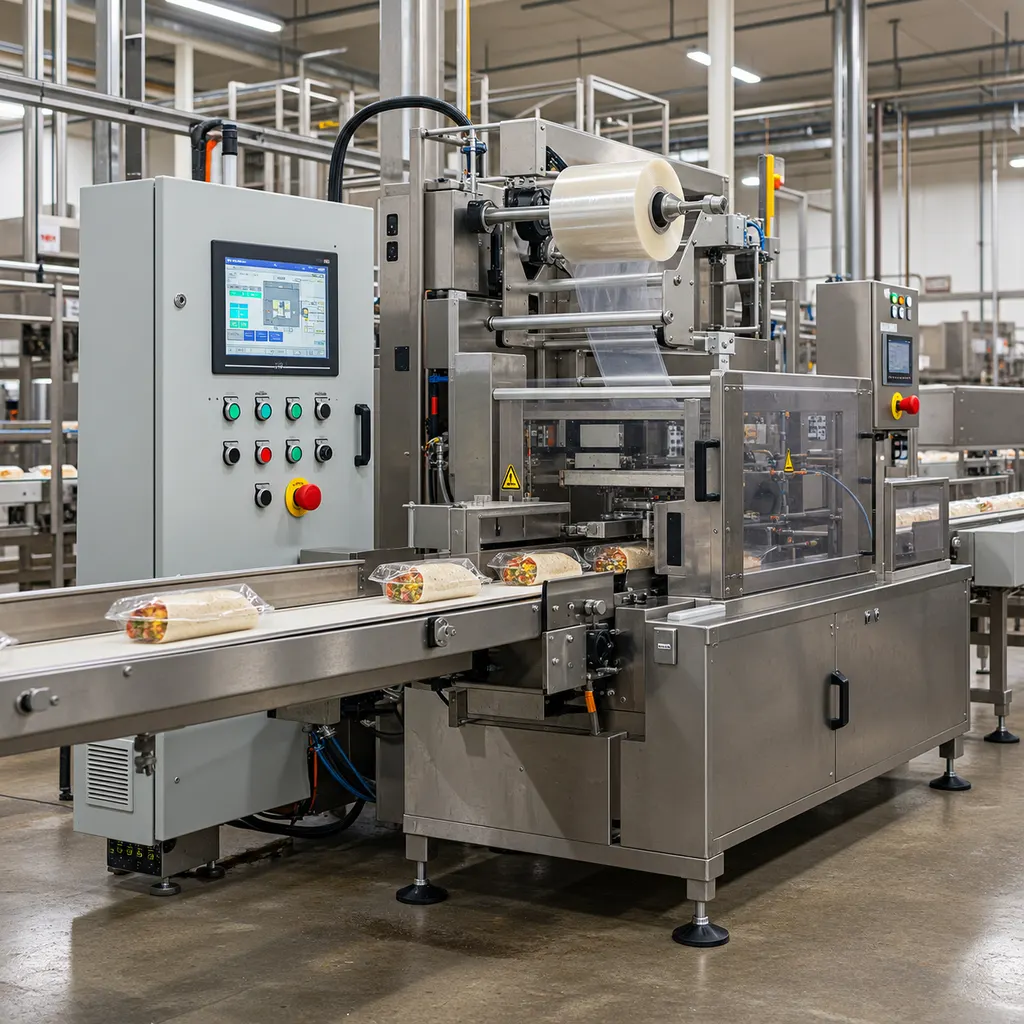
When an aging packaging machine starts causing problems, the equipment vendor's recommendation is often straightforward: buy a new machine. That may be the right answer eventually. But it is worth asking whether the machine is the problem, or whether its automation is — because those have very different price tags.
The mechanical machine often still has life
Packaging equipment such as wrappers represents real production assets, and the plant team usually understands the mechanical operation well. The mechanical systems can still be viable even when the controls and automation clearly need work. Replacing the whole machine means discarding that mechanical equipment — and the operating knowledge that goes with it — along with the outdated controls.
So the project becomes a clearer question: can we modernize the automation while keeping the mechanically viable machine?
Modernize one machine first
If a facility runs several similar machines, modernizing every one of them at once is a large commitment to an unproven approach. A more disciplined path is to modernize one machine first and use it to validate the approach before deciding on the rest.
That first machine becomes a practical pilot. It de-risks the decision: the plant gets to see the modernized machine run before committing the fleet, and the findings inform what happens next.
What the automation modernization involves
Rebuilding the automation layer around an existing mechanical machine typically includes:
- a new PLC / control panel
- a new HMI
- VFDs for motor control
- servo drives and servo components where the machine's motion requires them
- controls programming, integration with the existing mechanical machine, testing, startup, and commissioning
The mechanical machine stays. The automation is what gets modernized.
Your team knows the machine; the controls engineering is the addition
Projects like this work best as a collaboration. The customer's mechanical team already understands how the machine runs; the modernization brings the controls and automation engineering needed to bring the technology forward. Keeping the mechanical scope with the people who know it, and pairing that with controls engineering, is usually faster and lower-risk than starting over with a new machine.
Before you replace the machine, understand your options
A vendor recommending replacement is a prompt to evaluate, not a verdict. Modernizing one machine first can preserve usable capital equipment and give you real evidence before you decide what to do with the rest.