The PLC may be obsolete.
The machine doesn’t have to be.
Meray evaluates aging control systems and engineers planned PLC migrations that preserve the useful machinery, process knowledge, and production capability around them.
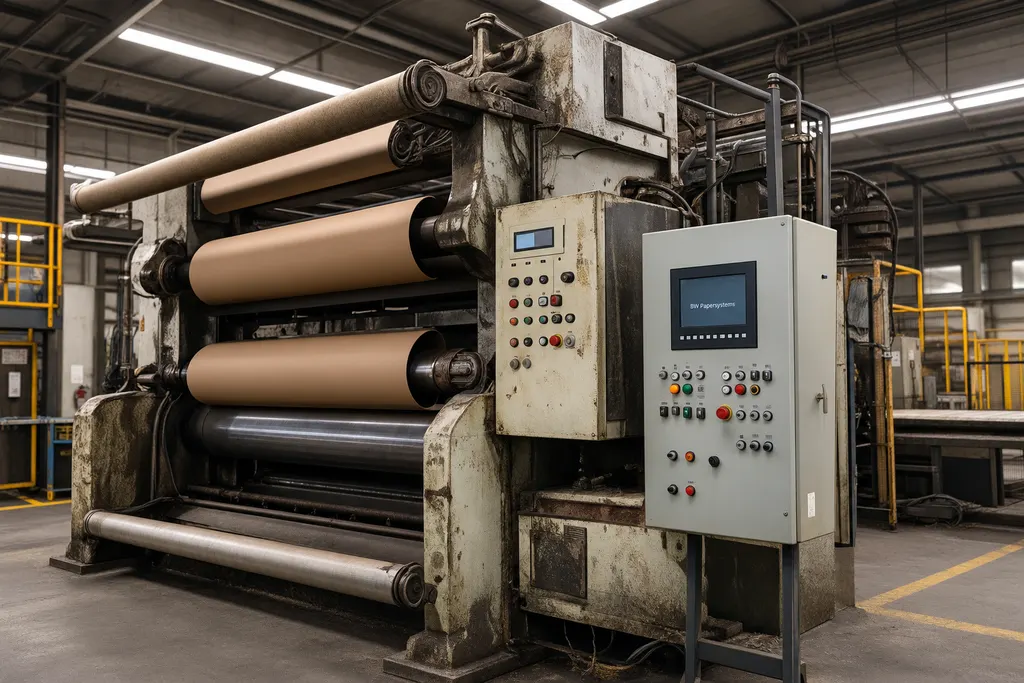
A discontinued PLC doesn’t automatically mean a finished machine.
A control platform’s lifecycle and a machine’s lifecycle are different timelines. The controls can age out of support while the equipment still has years of productive life left.
Mechanically viable machine
+ Obsolete PLC platform
PLC modernization
Supported control platform
PLC modernization is a migration, not a swap.
Understand the existing system
- Existing PLC hardware
- Program / source availability
- I/O architecture
- HMI integration
- Drives and motion
- Networks
- Electrical drawings
Design the migration
- Replacement platform selection
- I/O migration strategy
- Controls architecture
- Program conversion / rewrite strategy
- HMI / network integration
- Cutover planning
Engineer & validate
- PLC programming
- Program conversion
- Electrical design
- Panel modernization
- Testing
- Documentation
Cutover & commission
- Planned installation
- I/O verification
- Startup
- On-site commissioning
- Production validation
- Documentation & handoff
Conceptual only — the assessment determines what stays and what changes. Not every project replaces every component.
- Legacy controller (e.g. PLC-5, SLC, older CompactLogix, legacy Siemens)
- Existing I/O
- Existing HMI
- Drives & sensors
- Machine sequence
- Networks
- Inventory
- Program analysis
- I/O mapping
- Architecture
- Conversion / rewrite
- Testing
- Cutover plan
- Supported PLC
- Updated I/O
- Modern HMI where appropriate
- Supported communications
- Updated drawings
- Documented source code
From unsupported to serviceable
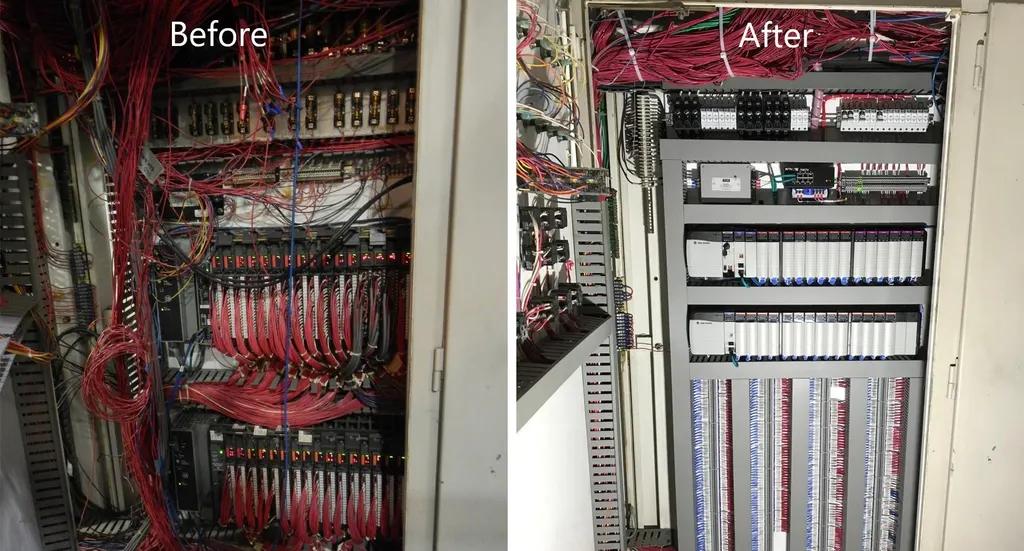
- Unsupported hardware
- Limited parts availability
- Aging wiring / components
- Missing / outdated documentation
- Supported controls
- Serviceable components
- Updated architecture
- Current documentation
Planned migration. Controlled cutover. Documented handoff.
- 01
Assess
Understand the machine, controls, programs, and documentation.
- 02
Architect
Determine what stays, what changes, and how the migration will work.
- 03
Engineer
PLC/HMI software, I/O mapping, electrical design, and panel changes.
- 04
Test
Validate logic, I/O, communications, and machine sequences.
- 05
Cutover
Coordinate installation around the production schedule.
- 06
Commission
Startup and validate the machine in operation.
- 07
Handoff
Deliver updated programs, drawings, and documentation.
Built around your machine — not a PLC brand.
The replacement architecture is selected around the equipment and the modernization objective, not because Meray is trying to sell one manufacturer’s hardware. Meray works across common industrial control platforms — for example Allen-Bradley, Siemens, Mitsubishi, Omron, Schneider, among others.
You shouldn’t have to wait for the PLC to fail.
- PLC platform discontinued
- Replacement processors difficult to source
- I/O modules becoming scarce
- Programming software needs an obsolete computer or OS
- Source program missing or poorly documented
- Recurring control failures
- Plant depends on used / refurbished components
- HMI or network compatibility is limiting upgrades
- OEM support has ended
- Machine is mechanically sound but controls create lifecycle risk
These don’t automatically mean “replace the PLC.” They mean it’s time to understand the risk.
We evaluate the machine before prescribing the migration.
A PLC migration should not be recommended simply because a PLC is old. If the machine itself is no longer mechanically or economically viable, replacing the equipment may be the better decision. Every engagement leads to one honest asset-level recommendation:
KEEP
The machine and its controls remain viable as-is.
MODERNIZE
Keep the mechanical asset; upgrade the technology that runs it.
SELL
The asset no longer fits your operation but retains value.
REPLACE
Modernization doesn't make economic or technical sense.