
Most equipment conversations start with what to buy. A more useful place to start when modernizing an older machine is the opposite question: what can you keep?
Good modernization is not about replacing as much as possible. It is about identifying what still has useful life and modernizing what creates risk or limits the equipment. Answering "what can we keep?" well is where the real engineering judgment lives — and where a modernization stops being a blank-check rip-and- replace.
Nothing on this list is automatically reusable
A caution before the framework: none of the items below can be assumed to stay. Each has to be evaluated against its own condition and against the control architecture you are moving to. A component can be physically fine and still be the wrong thing to carry forward if it can't be supported or can't integrate. The point of the framework is not "reuse everything" — it is "decide each one deliberately."
A framework for deciding what stays
Walk the machine and evaluate each layer:
- Mechanical condition — frames, drivetrains, and moving assemblies. Often the longest-lived part of the machine, and frequently the reason modernization beats replacement.
- Field devices — limit switches, valves, actuators, and the like. Many are standard and serviceable; some are obsolete or failing.
- Sensors and instrumentation — can be reusable, but aging or missing feedback is often exactly what a modernization should improve.
- Motors — usually durable; the question is whether they suit the intended control (for example, whether motion or speed control is changing).
- Wiring — reusable when it is sound, labeled, and documented; a liability when it is not.
- I/O — existing discrete and analog points frequently integrate with a new controller; the evaluation is condition, count, and signal types.
- PLC — sometimes stays (still supported and adequate), sometimes migrates. Not a foregone conclusion in either direction.
- HMI — often a strong candidate for modernization, because visibility and alarming are common weak points on older machines.
- Drives / servos — evaluate support status, condition, and fit with the new architecture.
- Communications / networking — legacy networks are a common obsolescence and supportability risk.
- Control panel condition — enclosures, layout, and general electrical state.
- Documentation — accurate drawings and I/O maps; when missing, recovering them is often part of the work regardless of what hardware stays.
- Parts availability / supportability — even a working component is a risk if spares are gone.
- Compatibility with the proposed architecture — the deciding filter: can a given component actually integrate with, and be supported by, the system you are building?
The output of that walk is not a wish to reuse everything. It is a deliberate, component-by-component decision about what stays, what is modernized, and what has to go.
What this looks like on a real machine
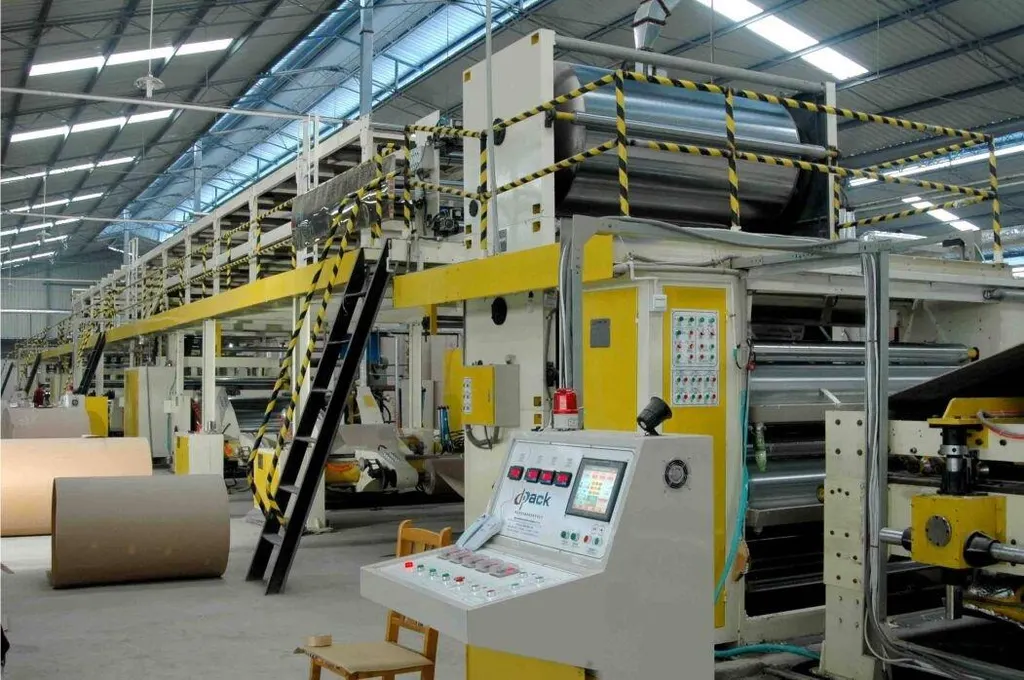
On a corrugated equipment modernization, this framework meant replacing the control layer — a new control panel built around a modern PLC and HMI — while integrating portions of the existing machine infrastructure: the discrete I/O, analog signals, machine counters, and field wiring that were still doing their job. The decision was not "replace everything" or "keep everything"; it was to carry forward what was sound and modernize what was aging.
A different machine can reach a different conclusion about the same layer. On a spiral freezer, the existing PLC itself was worth keeping, and the modernization focused on the environment around it. Same framework, opposite decision about the controller — because the equipment was different.
Why "what can you keep?" is the right first question
Starting from what does not need to be replaced does two things. It protects capital by not discarding equipment with useful life left. And it makes whatever you do recommend replacing more credible — because the customer can see the recommendation came from evaluation, not from an incentive to rip everything out.
That is the whole idea behind a modernization assessment: decide what stays and what goes on the evidence, machine by machine.
Before you replace the machine, understand your options
If you are looking at an older machine and assuming it all has to go, the more valuable question is what actually does. Start by evaluating what can stay.